
Siding · Homeowner guide
7 Warning Signs Your Home Needs New Siding in New Jersey
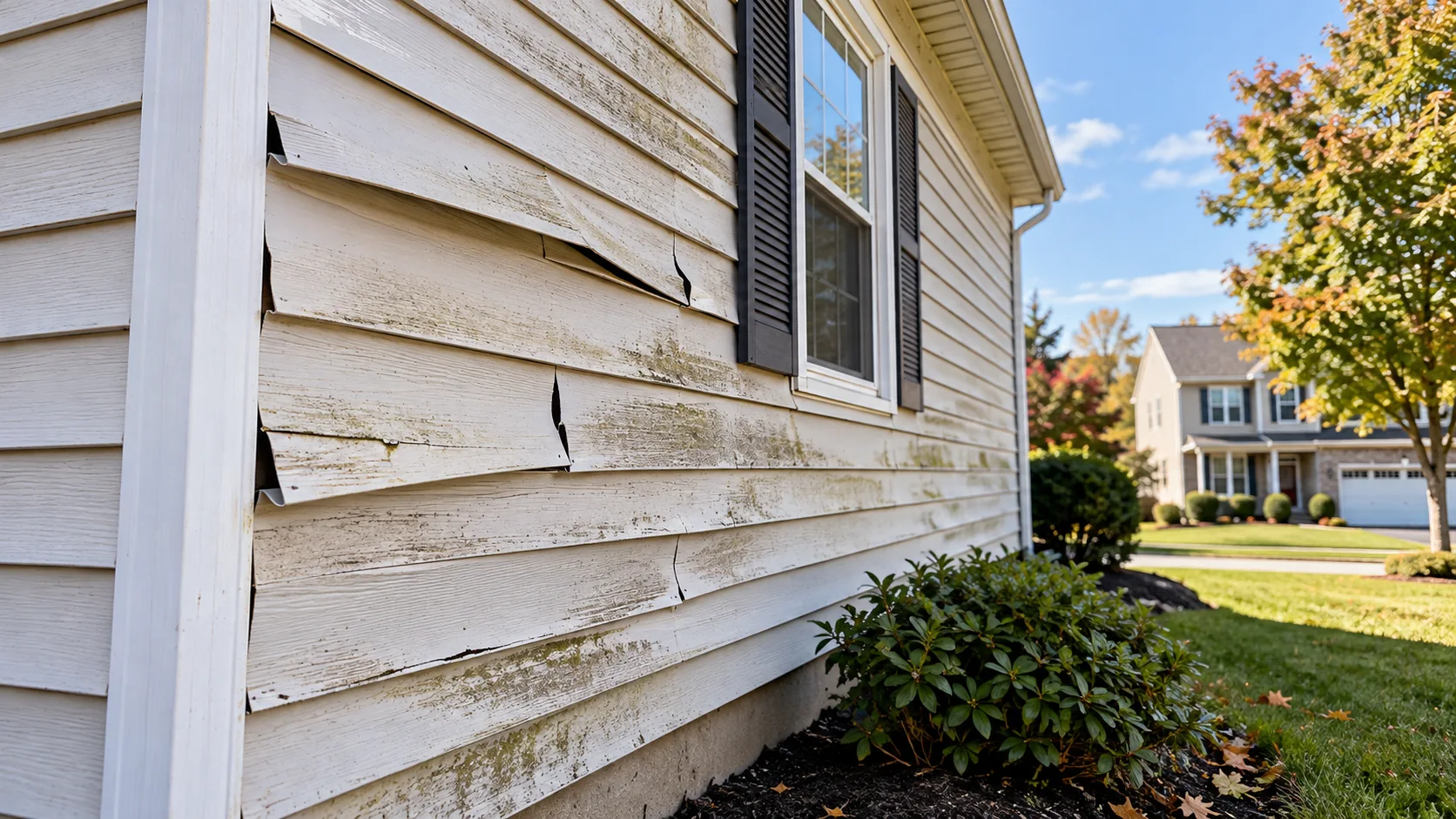
Is your home’s siding showing signs of wear, cracking, or damage? What looks like a small exterior problem today could be a warning sign that your siding needs professional attention.
Your home’s siding plays an important role in protecting exterior wall components from the elements while contributing to curb appeal.
In New Jersey, homes experience changing weather conditions throughout the year, including freezing winter temperatures, summer heat, heavy rainfall, and strong winds.
Over time, these conditions can contribute to the deterioration of exterior siding materials.
But how do you know when it’s time to repair your siding or invest in a complete replacement?
At Remodeling & Quality Corp., we believe homeowners should understand the warning signs before making an important exterior remodeling decision.
In this guide, we’ll explore seven common signs that your home may need new siding, how to evaluate the damage, and when to contact a professional siding contractor in New Jersey.
How Do You Know When Your House Needs New Siding?
The most common signs that a home may need siding replacement include widespread cracking, warped panels, recurring moisture problems, loose siding, advanced deterioration, and frequent repairs.
However, not every siding problem requires replacing the entire exterior.
The right solution depends on the type of material, severity of damage, condition of the underlying wall system, and remaining useful life of the siding.
Here are seven warning signs New Jersey homeowners should watch for.
1. Cracked or Broken Siding Panels
Cracked siding is one of the most visible signs of exterior damage.
Vinyl siding, in particular, can crack due to impacts, aging, extreme temperature changes, or improper installation.
Common warning signs include:
- Visible cracks along siding panels.
- Broken or missing sections.
- Holes caused by falling branches or other impacts.
- Panels separating from adjoining sections.
- Repeated cracking in multiple areas.
A single damaged panel may be repairable without replacing the entire exterior.
However, when cracks appear throughout several walls, homeowners may need to consider whether the siding has become too brittle or deteriorated for ongoing repairs.
Can cracked vinyl siding be repaired?
Yes. Individual damaged panels can often be replaced if compatible materials are available and the underlying wall remains in good condition.
Read our detailed guide: cracked vinyl siding repair in New Jersey.
2. Warped or Buckling Vinyl Siding
Have you noticed siding panels that appear uneven, wavy, or bent?
Warping and buckling can indicate installation problems, heat exposure, or material deterioration.
Vinyl siding naturally expands and contracts as temperatures change.
When panels are installed too tightly or improperly fastened, they may not have enough room to move.
This can lead to visible distortion.
Common Causes of Warped Siding
- Improper fastening during installation.
- Restricted thermal expansion.
- Excessive heat exposure.
- Reflective heat from nearby windows.
- Aging or damaged materials.
Warped siding should be evaluated to identify the underlying cause.
In some situations, individual panels can be replaced. In others, recurring distortion may indicate a broader installation issue.
Important: Replacing a warped panel without correcting the cause may lead to the same problem happening again.
3. Moisture Damage and Water Intrusion Warning Signs
Moisture-related problems deserve particular attention because they may affect components behind the visible siding.
While siding acts as exterior cladding, the home’s weather-resistive barrier and flashing system play critical roles in managing water.
Warning signs may include:
- Water stains near exterior walls.
- Soft or deteriorated wood trim.
- Discoloration around windows and doors.
- Peeling interior paint near exterior walls.
- Persistent musty odors.
- Visible moisture damage around exterior openings.
These symptoms do not automatically mean your siding is responsible.
Roof leaks, plumbing problems, condensation, and defective window flashing can produce similar warning signs.
A professional inspection can help identify the source.
Can Damaged Siding Cause Water Problems?
Damaged or missing siding can increase exposure of the underlying wall assembly.
However, a properly constructed wall includes components designed to manage incidental water that gets behind the siding.
If moisture-related damage is present, the entire affected assembly should be evaluated rather than assuming that replacing the visible siding alone will solve the problem.
4. Faded, Brittle, or Deteriorating Siding
Years of sunlight and seasonal weather exposure can gradually affect your home’s exterior.
Some fading is normal and does not necessarily indicate that your siding has failed.
However, widespread brittleness, surface deterioration, and repeated cracking may suggest that your siding is approaching the end of its useful service life.
Signs of Advanced Siding Deterioration
- Panels becoming unusually brittle.
- Multiple fractures appearing after minor impacts.
- Significant surface deterioration.
- Repeated breakage during maintenance.
- Widespread changes in the material’s appearance.
Homeowners should distinguish between cosmetic fading and actual physical deterioration.
If your siding is structurally sound and functioning as intended, replacement may not be necessary solely because the color has faded.
On the other hand, extensive deterioration may make a new siding installation a more practical long-term investment.
5. Loose or Missing Siding After Storms
New Jersey homes can experience strong winds, heavy rain, thunderstorms, and winter storms.
These weather conditions may loosen or dislodge siding panels, particularly when materials are already deteriorated or improperly installed.
After severe weather, look for:
- Siding panels hanging away from the wall.
- Missing sections.
- Damaged corner trim.
- Loose panels near rooflines.
- Cracks caused by windblown debris.
- Openings around windows or exterior penetrations.
What Should You Do After a Storm?
Inspect your home’s exterior from a safe location.
Avoid climbing ladders or attempting repairs during dangerous weather conditions.
If you notice visible damage, photograph affected areas when it is safe to do so and arrange an assessment.
Addressing storm-damaged siding promptly can help identify problems before additional weather exposure worsens the condition.
For extensive damage, a professional may recommend repairs to individual sections or broader siding replacement.
6. Your Home Needs Frequent Siding Repairs
Occasional exterior maintenance is normal.
However, when your siding requires repeated repairs, it may be time to evaluate whether continued patching remains practical.
For example, homeowners may experience:
- Multiple damaged panels every year.
- Frequent loose or detached sections.
- Difficulty finding matching replacement materials.
- Repeated cracking in aging siding.
- Ongoing repairs that do not resolve the underlying issue.
When Do Repairs Stop Being Worth It?
There is no universal number of repairs that automatically means a home needs new siding.
Instead, consider:
- The total cost of recent repairs.
- The age and condition of the siding.
- The extent of the remaining deterioration.
- The availability of matching materials.
- The likelihood of additional repairs.
- The condition of the underlying exterior wall system.
A comprehensive siding replacement may be more practical when extensive deterioration makes continued repairs costly or unreliable.
However, if only a small section is damaged and the rest of the siding is in good condition, a localized repair may still be the better option.
For homeowners dealing with limited damage, explore our siding repair services in New Jersey.
7. Rising Energy Bills and Potential Insulation Problems
Have you noticed that your heating or cooling costs are increasing?
While siding itself is not usually the main cause of energy loss, certain exterior wall conditions can affect your home’s overall energy performance.
Problems such as deteriorated insulation, uncontrolled air leakage, or gaps around windows and exterior penetrations may contribute to discomfort and higher energy consumption.
Does Replacing Siding Improve Energy Efficiency?
Replacing siding alone does not guarantee lower energy bills.
However, a properly planned exterior renovation may provide an opportunity to address insulation, air sealing, and other wall-system improvements.
For example, homeowners may consider:
- Evaluating existing exterior wall insulation.
- Addressing damaged sheathing.
- Improving air sealing where appropriate.
- Repairing defective flashing.
- Exploring compatible insulated siding or continuous insulation products.
Any improvement should be based on the actual condition of the property and a suitable building-envelope assessment.
Important: Higher energy bills can have many causes, including HVAC issues, utility rate changes, and weather conditions. They should not be treated as proof that siding replacement is necessary.
Siding Repair vs. Replacement: Which Is Better for Your Home?
One of the biggest questions homeowners face is whether to repair their existing siding or replace it completely.
The answer depends on the condition of your home.
When Siding Repair May Be the Better Choice
Repair may be appropriate when:
- Damage affects only a few panels.
- The remaining siding is in good condition.
- Replacement materials are available.
- The underlying wall system is sound.
- The problem can be corrected without extensive reconstruction.
For isolated damage, replacing individual panels may provide a practical and cost-effective solution.
When Siding Replacement May Be Worth Considering
A larger replacement project may be appropriate when:
- Damage affects multiple exterior walls.
- Panels have become extensively brittle or warped.
- Moisture-related deterioration requires broader work.
- Matching replacement siding is unavailable.
- Frequent repairs have become increasingly expensive.
- You are planning a major exterior renovation.
The best decision should be based on a professional assessment of your home’s actual condition, not simply the age of the siding.
Explore professional siding replacement in NJ to discuss a project-specific replacement plan.
How Much Does Siding Replacement Cost in New Jersey?
Siding replacement costs in New Jersey depend on multiple factors, including:
- Exterior wall square footage.
- Siding material and product quality.
- Removal and disposal of old materials.
- Labor and installation complexity.
- Height and accessibility of the home.
- Trim, flashing, and architectural details.
- Repairs to underlying wall components.
Vinyl siding generally costs less upfront than fiber cement siding, although the final project cost varies considerably.
For reference, the 2025 Cost vs. Value Report published by the Journal of Light Construction reported average project costs in the New York, NY market of approximately:
| Material | Regional Project Cost |
|---|---|
| Vinyl Siding Replacement | $21,223 |
| Fiber Cement Siding Replacement | $25,708 |
These figures represent published 2025 regional benchmarks, not guaranteed 2026 prices or actual estimates for individual New Jersey properties.
For a more detailed explanation, read our guide: siding replacement cost in New Jersey.
The most accurate way to understand your project’s cost is to request an estimate based on your home’s exterior measurements and installation requirements.
How Long Does Vinyl Siding Last in New Jersey?
Vinyl siding can last for several decades when properly installed and maintained.
However, there is no single guaranteed lifespan for every product or property.
Actual service life depends on:
- Material quality.
- Installation methods.
- Exposure to sunlight and severe weather.
- Physical impacts.
- Maintenance practices.
- Condition of the underlying wall system.
Older siding does not automatically need replacement if it remains in good condition.
Likewise, relatively new siding can require attention if it was damaged or improperly installed.
Periodic exterior inspections can help homeowners identify problems before they become more extensive.
What Is the Best Time of Year to Replace Siding in New Jersey?
Siding projects may be completed during different seasons, depending on weather conditions, material specifications, and contractor availability.
Spring and fall often offer moderate temperatures, but summer and winter installations may also be possible when appropriate procedures are followed.
Cold-weather installation can require special handling because some siding materials become less flexible at lower temperatures.
Extremely hot conditions can also affect handling and installation requirements.
The best installation schedule should account for the specific siding product, manufacturer instructions, and expected weather conditions.
How to Choose a Reliable Siding Contractor in New Jersey
Choosing a qualified contractor is an important part of protecting your home improvement investment.
Before beginning a siding project, homeowners should consider the following questions.
Is the Contractor Properly Registered?
Check the applicable New Jersey home improvement contractor registration and legal requirements.
Does the Contractor Have Relevant Experience?
Ask about experience with your preferred siding materials and the type of work your property requires.
Will You Receive a Written Estimate?
A detailed estimate should describe the project scope, material selections, labor, removal requirements, and relevant conditions.
How Will Existing Wall Damage Be Addressed?
Ask whether the project includes inspection of the underlying wall materials and how unexpected damage will be handled.
What Warranties Are Available?
Understand the manufacturer’s product warranty and any workmanship warranty offered by the contractor.
Can the Contractor Explain the Installation Process?
Clear communication about project scheduling, material specifications, preparation, and cleanup can help homeowners make informed decisions.
Professional Siding Services for New Jersey Homeowners
Your home’s exterior is an important part of its appearance and long-term maintenance.
Whether you’re dealing with cracked vinyl siding, storm damage, aging exterior materials, or planning a complete renovation, understanding the condition of your siding is the first step toward choosing the right solution.
Remodeling & Quality Corp. provides siding and exterior remodeling solutions for homeowners in New Jersey.
Our goal is to help homeowners explore practical options based on their property’s needs and renovation objectives.
If you’ve noticed warning signs on your home’s exterior, contact Remodeling & Quality Corp. to discuss your siding project and request an estimate.
Request a Siding Estimate in New Jersey
Take the next step toward improving and maintaining your home’s exterior.
Frequently Asked Questions About Siding Replacement in NJ
What are the first signs that siding needs to be replaced?
Common warning signs include extensive cracking, brittle panels, persistent warping, widespread deterioration, recurring moisture problems, and repeated siding failures. An assessment can help determine whether localized repairs or complete replacement is appropriate.
Can damaged siding cause mold?
Damaged siding may contribute to conditions that allow moisture to reach vulnerable wall components, especially if flashing or moisture-management systems are defective. However, mold and moisture problems can have multiple causes and require proper investigation.
Should I replace siding before selling my house?
Siding replacement may improve curb appeal and address visible exterior deterioration. Whether it makes financial sense before selling depends on your home’s condition, the cost of the project, and local housing market conditions.
Is it better to repair or replace old vinyl siding?
Repair is often appropriate for isolated damage when the remaining siding is in good condition. Replacement may be worth considering when damage is widespread, panels have become brittle, or recurring repairs are no longer practical.
Does new siding increase home value?
New siding can improve exterior appearance and may contribute to resale appeal. However, the financial return depends on the housing market, project quality, home condition, and installation cost.
How often should homeowners inspect their siding?
Homeowners should periodically inspect visible siding for damage, especially after severe storms. Look for cracks, missing panels, warping, loose trim, and moisture-related warning signs.
Can you replace only one side of a house?
Yes. Partial siding replacement may be possible when damage is limited to a specific exterior wall. Material compatibility, color matching, underlying conditions, and appearance should be considered before proceeding.
How do I get a siding replacement estimate in New Jersey?
Contact a siding contractor to discuss your project and arrange an evaluation of the exterior wall area, existing materials, accessibility, and installation requirements. A written estimate can help you understand the proposed scope and cost.
Is Your Home Showing Signs of Damaged or Aging Siding?
Don’t wait for visible exterior problems to become more extensive.
Whether your home needs a minor siding repair or a complete exterior upgrade, identifying the underlying issue is the first step.
Contact Remodeling & Quality Corp. to discuss your siding project in New Jersey and request an estimate.
Pricing reference: 2025 Cost vs. Value Report — New York, NY. Regional benchmarks are provided for general information and do not represent company pricing or guaranteed New Jersey project costs.
Compare materials in our guide to vinyl siding vs. fiber cement siding for New Jersey homes.